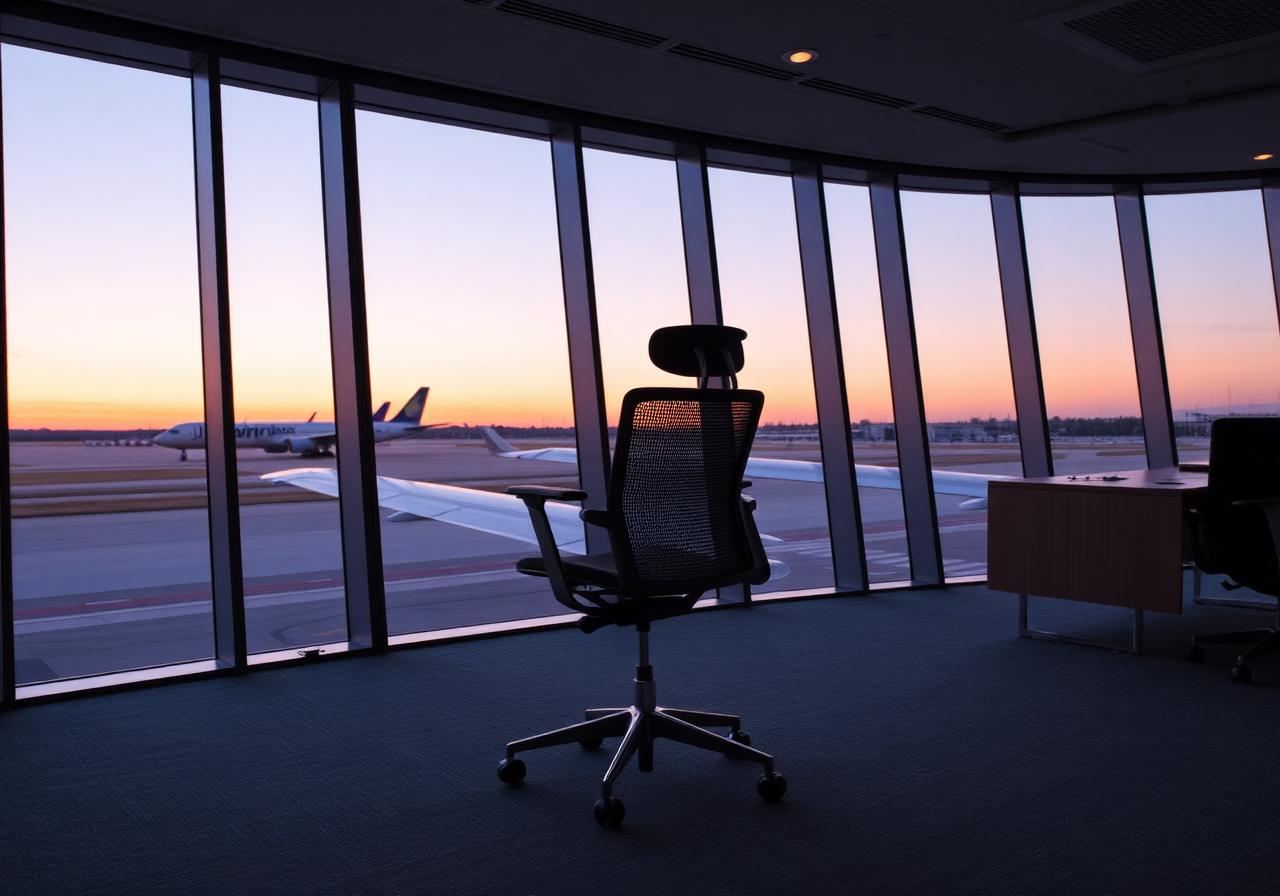
The mesh-suspension chair that retired the leather throne and made ergonomics a C-suite virtue.
Pellicle suspension
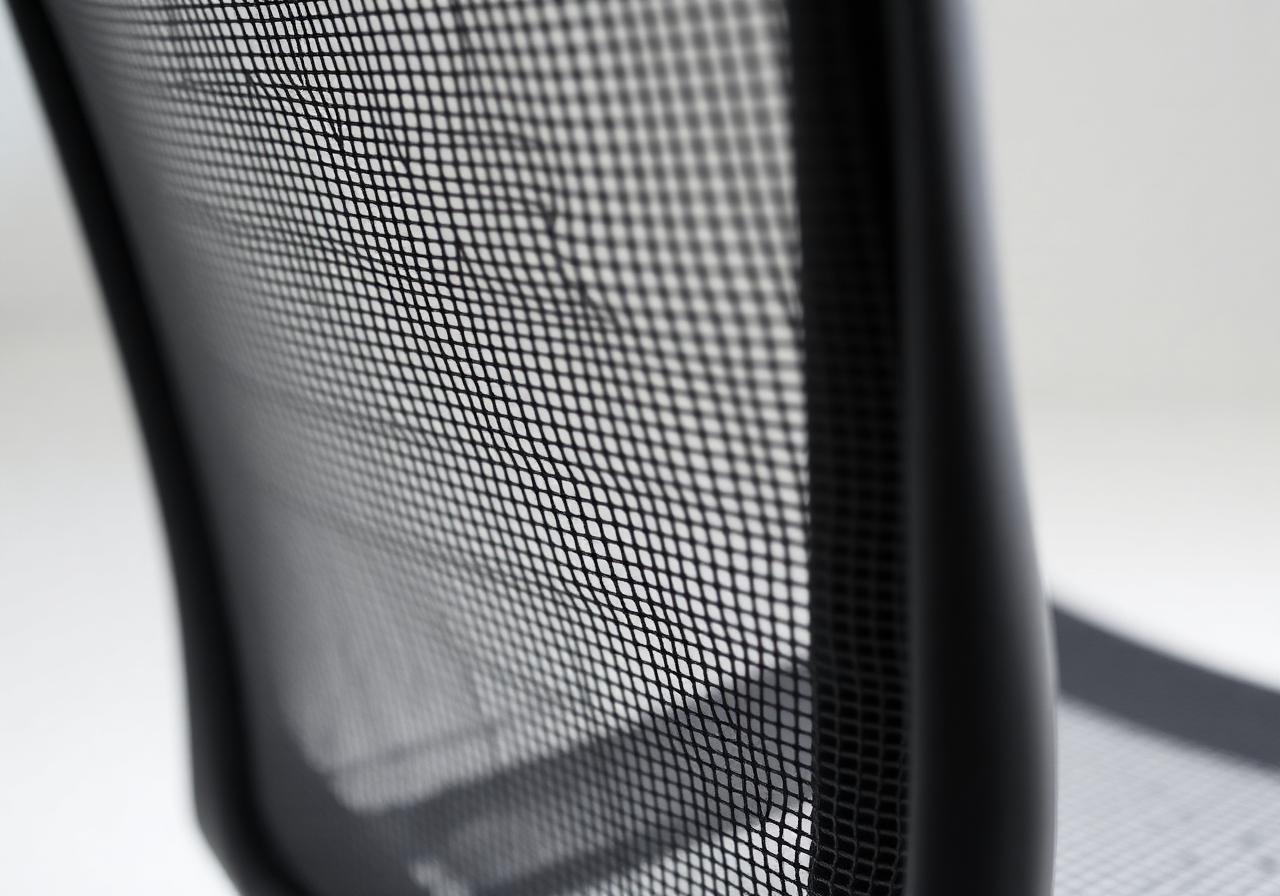
Instead of foam, Aeron uses a woven elastomeric mesh ('Pellicle') stretched over a glass-reinforced polymer frame — distributing weight, breathing in heat, and lasting decades. The mesh is woven from Hytrel, a DuPont co-polyester originally developed for automotive fuel hoses, chosen because it could be tensioned to near-textile drape without losing structural memory after a million sit-cycles.
The eight-year development
Stumpf and Chadwick worked on Aeron from 1986 to 1994, through more than 70 prototypes. Early versions were rejected by Herman Miller's own focus groups for looking 'unfinished' — too obviously skeletal, too obviously machine. The breakthrough came when the team stopped trying to soften the appearance and instead leaned into it, treating the visible mechanism as the point rather than the embarrassment.
Adoption
By 2000 the Aeron was standard issue at Boeing, Airbus, FedEx, and Emirates executive floors. The MoMA acquired one for its permanent collection the same decade. The dot-com boom poured an estimated half-million Aerons into Silicon Valley offices between 1998 and 2001 — and the subsequent crash flooded the secondary market, where used Aerons remain the most-traded executive chair on Craigslist twenty-five years later.
The 2016 remastering
Herman Miller's 2016 update — the only substantive revision since 1994 — kept the silhouette but rebuilt the chair almost entirely: a new 8Z Pellicle weave with eight tension zones, a redesigned PostureFit SL lumbar, and a tilt mechanism with a longer, smoother arc. The brief was unusual in product design: change everything that needed changing, change nothing that anyone would notice.
Three sizes, one argument
Stumpf and Chadwick rejected one-size-fits-all upholstery in favor of three discrete frame sizes (A, B, C) sized to anthropometric percentiles. The argument was quiet but radical: the body is the brief, not a costume the chair has to fit.
From the archive
Belongs to the era of
1990s–Present · The Digital Cockpit →Manufactured by
Herman Miller →More from the catalogue